
There’s only two months left until the start of 2027.
Yes, you read that correctly. Even more importantly is that’s it’s less than one month to Thanksgiving and less than two until Christmas. NOW is the time to schedule a

Siding before pressure washing
pressure washing appointment to make sure your property is ready for the decorations to shine and your guests to beam. Clean and renewed front walks, porches, siding and decks will make the holidays extra special for your family and friends.
Business owners hosting throngs of holiday shoppers or special guests should also inspect their facades for a “first impression” check.
Contact Extra Mile for a pressure washing before the holiday season
 The Extra Mile techs are the West Virginia Panhandle’s exterior cleaning experts. They specialize in pressure washing roofing materials, siding, gutters, concrete surfaces and decks. The company techs use the softwash technique to safely clean all building materials in homes and businesses in the greater Bunker Hill, WV area. They serve the Eastern Panhandle of West Virginia. In addition to Bunker Hill, their service area includes Inwood, Falling Waters, Shepherdstown, Martinsburg and Charles Town. They also travel to the greater Winchester, VA
Click here to contact Extra Mile PowerWashing’s staff online. They can also be reached by calling 301.904.0500 or emailing dustin@extramilepw.com.
Halloween and All Saints Day celebrations this weekend
Trick-or-treaters are getting ready to head out to gather a bag full of goodies. Most of them will do so without any knowledge of the annual October 31st ritual. Even more so, they not aware of the three-day observance of Allhallowtide, which includes Halloween, All Saints Day and All Sous Day.
Though the original roots of Halloween — or All Hallow’s Eve — aren’t certain. However, it has been traced back to Ireland, Britain, and France. To mark the end of Summer, the Celts of Ireland held a harvest festival known as Samhain. The festival was steeped in superstition and fear of evil. It is celebrated on the 31st of October beginning at sunset and ending at sunset on November 1.
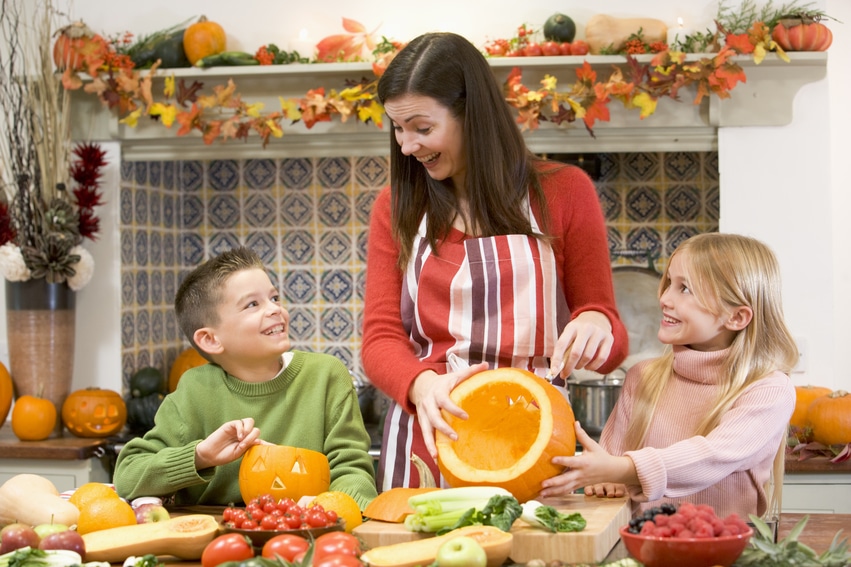 Following the Roman conquest of Britain, British Celts adopted the Julian calendar and fixed the date of observance to November 1. The holiday was Christianized as Halloween by the early church. It has evolved into a day of activities like making jack-o-lanterns from pumpkins, bobbing for apples, trick-or-treating and other festivities. In other countries as well as in Catholicism, one attends church services.
What is All Saints Day?
Pope Boniface IV reconsecrated the Pantheon in Rome around the year 609 A.D. He renamed it the Church of St. Mary and the Martyrs. He established the anniversary celebrating the remembrance for all of the Church’s martyrs. Years later, Pope Gregory III changed the date to November 1 during the dedication of St. Peter’s Basilica to “all saints,” in an effort to combat pagan worship.
November 1 became All Saints Day, otherwise known as All Hallow’s Day. Christians would come together on this day to ask for God’s protection from evil in the world as well as blessings from God. Patrons would dress up in costumes of evil spirits or saints in order to depict the battle between good and evil.
What is All Souls Day?
All Souls Day commemorates the faithful who have died. This day is observed in the Catholic Church as well as the Eastern Orthodox churches. It was believed, based on certain books of the Catholic Bible, that these souls, trapped between heaven and hell, could be helped by prayer. They could then be cleansed of their sins and receive full sanctification to gain entrance to heaven. The custom of setting apart this day for intercession was established by Saint Odilio of Cluny. This practice then spread throughout Europe and eventually to the Western Church.
As Christianity spread throughout the world, pagan holidays were either Christianized or swept away.
NOTE: Much of the information was taken from a Christianity.com article.